

Hair salons are vibrant, creative spaces—but they are also environments where chemical exposure is part of daily operations. From hair color and bleach to perms, relaxers, and smoothing treatments, many professional services release airborne contaminants that linger in the breathing zone long after the service is complete. Without proper ventilation, these fumes can circulate throughout the salon, affecting stylists, clients, and even neighboring businesses.
This is where source capture ventilation becomes essential.
The Hidden Air Quality Risks of Chemical Hair Services
Most professional hair products are designed for performance, not indoor air safety. During common services, the following airborne pollutants are released:
-
Hair color and bleach: Ammonia, persulfates, and other volatile compounds
-
Perms and relaxers: Strong alkaline chemicals and sulfur-based vapors
-
Smoothing and keratin treatments: Formaldehyde or formaldehyde-releasing compounds
Keratin treatments, in particular, have drawn regulatory attention due to their potential to emit formaldehyde fumes, especially when heat is applied during blow-drying and flat-ironing. These fumes can cause eye, nose, and throat irritation, headaches, and respiratory discomfort—and in some cases may exceed recommended exposure limits if not properly controlled.
Why General HVAC Systems Aren’t Enough
Many salon owners assume their building’s HVAC system provides adequate protection. While general ventilation helps regulate temperature and air exchange, it is not designed to capture chemical vapors at the point of release.
In fact, relying solely on HVAC can actually spread contaminants by pulling fumes from one workstation and redistributing them across the salon. This leads to:
-
Lingering chemical odors
-
Increased exposure for staff not performing the service
-
Reduced comfort for clients
-
Potential compliance issues with mechanical and health codes
How Source Capture Ventilation Works
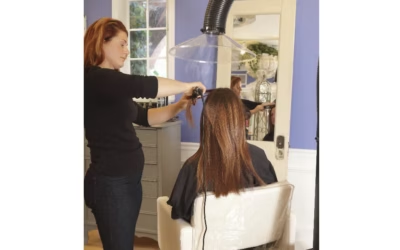
Source capture removes contaminants at the origin, before they disperse into the room. A salon chemical extractor is positioned close to where fumes are generated—such as near the styling chair or treatment area—and uses controlled airflow to pull vapors directly into the system.
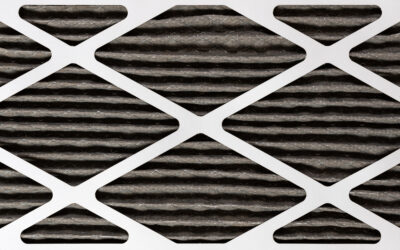
Once captured, the air is processed through multi-stage filtration or safely exhausted, depending on system design. The result is immediate reduction in airborne chemicals without disrupting thermal comfort or salon aesthetics.
Benefits of Source Capture for Hair Salons
Implementing targeted ventilation for chemical services provides measurable advantages:
-
Improved indoor air quality during color, smoothing, and chemical treatments
-
Reduced exposure to formaldehyde and VOCs for stylists and clients
-
Greater comfort with fewer odors and irritants
-
Support for code compliance and workplace safety expectations
-
A healthier work environment, improving staff retention and client trust
Source capture also allows salons to confidently offer high-demand services—like keratin treatments—without compromising health or safety.
A Smarter Approach to Hair Salon Ventilation
Modern hair salons need more than basic air circulation. As chemical services evolve and awareness of indoor air quality grows, targeted solutions are becoming the industry standard. Source capture ventilation is the most effective way to control chemical fumes, protect breathing zones, and maintain a clean, professional salon environment.
For salons offering chemical-intensive services, investing in proper ventilation isn’t just about comfort—it’s about responsibility, compliance, and long-term sustainability.