

Medical spas operate at the intersection of healthcare and aesthetics. Services such as laser hair removal, chemical peels, microblading, microneedling, and advanced skin treatments deliver powerful results—but they also introduce unique air quality challenges that traditional HVAC systems are not designed to manage.
Proper ventilation in a medi-spa is not just a comfort issue. It is a critical component of staff safety, client protection, and regulatory compliance.
Why Medi-Spas Face Higher Air Quality Risks
Unlike traditional spas, medi-spas routinely use devices and products that generate both chemical and biological contaminants:
-
Laser and light-based treatments can release fine particulate matter, smoke, and odor-producing compounds commonly referred to as laser treatment fumes or plume.
-
Chemical peels and disinfectants emit volatile organic compounds (VOCs) that can irritate the eyes, lungs, and skin.
-
Microblading and microneedling may produce airborne biological particles, including skin debris and pigments.
-
Sterilization and cleaning products contribute additional chemical vapors to the indoor environment.
When these contaminants are allowed to circulate through the treatment room—or worse, throughout the entire facility—they can create long-term exposure risks for providers and discomfort for clients.
The Limits of General HVAC in Medical Spas
Standard HVAC systems are designed to control temperature and provide basic air exchange—not to capture contaminants at the point where they are generated.
In medi-spa environments, relying on general ventilation alone can result in:
-
Lingering odors and chemical fumes
-
Cross-contamination between treatment rooms
-
Increased respiratory irritation for staff working long shifts
-
Inconsistent air quality that may fall short of best-practice guidelines
This is why source capture ventilation is increasingly recognized as a best-in-class solution for medical spa air quality.
The Role of Source Capture in Medi-Spa Ventilation
Source capture systems remove contaminants directly at the treatment site, before they disperse into the breathing zone or migrate to adjacent areas. For procedures involving fumes, aerosols, or fine particulates, this targeted approach provides a much higher level of protection than room-level airflow alone.
Benefits of source capture in medi-spas include:
-
Immediate removal of laser treatment fumes and chemical vapors
-
Reduced airborne biological contaminants during skin procedures
-
Cleaner treatment rooms with faster turnover times
-
Improved comfort for both clients and practitioners
Why HEPA + Charcoal Filtration Is Essential
For medi-spa applications, effective ventilation must address both particles and gases. This is why systems using HEPA filtration combined with activated charcoal are essential.
-
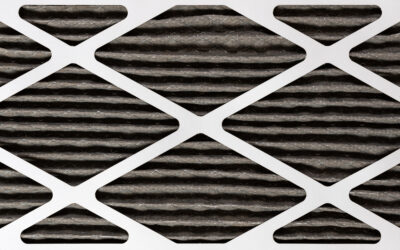
HEPA filtration captures microscopic particles, including fine dust, skin debris, and biological matter.
-
Activated charcoal filtration adsorbs chemical vapors, odors, and VOCs released during treatments and cleaning.
Together, these technologies support safer air handling and help maintain a professional, medical-grade environment that clients expect from a medi-spa.
Supporting Compliance and Professional Standards
While specific code requirements vary by jurisdiction, ventilation systems in medi-spas are often evaluated under medical, mechanical, and occupational safety standards. Installing dedicated source capture with HEPA and charcoal filtration demonstrates a proactive commitment to:
-
Staff health and long-term exposure reduction
-
Client safety and comfort
-
Best practices in medical spa air quality management
-
Easier inspection, documentation, and risk mitigation
A Cleaner, Safer Medi-Spa Experience
In today’s medi-spa market, air quality is part of your brand. Clients may not see your ventilation system—but they will notice clean air, reduced odors, and a more comfortable treatment experience.
By integrating source capture ventilation with HEPA and charcoal filtration, medi-spas can create environments that protect staff, reassure clients, and support a higher standard of care.
Cleaner air isn’t optional in a medi-spa—it’s essential.