

Tattoo studios are highly specialized environments where precision, cleanliness, and client safety are essential. While strict sanitation practices are standard in the industry, one critical element is often overlooked: air quality at the workstation level. Tattooing generates airborne particles and chemical vapors that cannot be adequately controlled by general HVAC systems alone. This is why source capture ventilation plays a vital role in maintaining a safe and professional tattoo studio.
The Hidden Airborne Hazards in Tattoo Studios
During tattoo procedures, multiple sources contribute to airborne contamination:
-
Tattoo ink particles released during needle operation
-
Aerosols from cleaning sprays and disinfectants
-
Isopropyl alcohol and chemical solvents used for skin prep and surface sanitation
-
Biological particulates, including skin debris and microscopic bloodborne matter
These contaminants become suspended in the air directly within the artist’s breathing zone. Because tattoo artists work inches away from the source for extended periods, exposure levels can be significantly higher than in other personal service environments.
Why General HVAC Systems Are Not Enough
Most commercial HVAC systems are designed for overall comfort and temperature control—not targeted contaminant removal. While HVAC helps dilute airborne pollutants throughout a room, it does not capture contaminants at the point of generation.
As a result:
-
Aerosols spread throughout the studio
-
Particles remain airborne longer
-
Odors and chemical vapors linger
-
Other artists and clients are exposed unintentionally
In tattoo studios, where multiple stations may operate simultaneously, relying on general ventilation can actually distribute contaminants rather than remove them.
How Source Capture Improves Tattoo Studio Air Quality
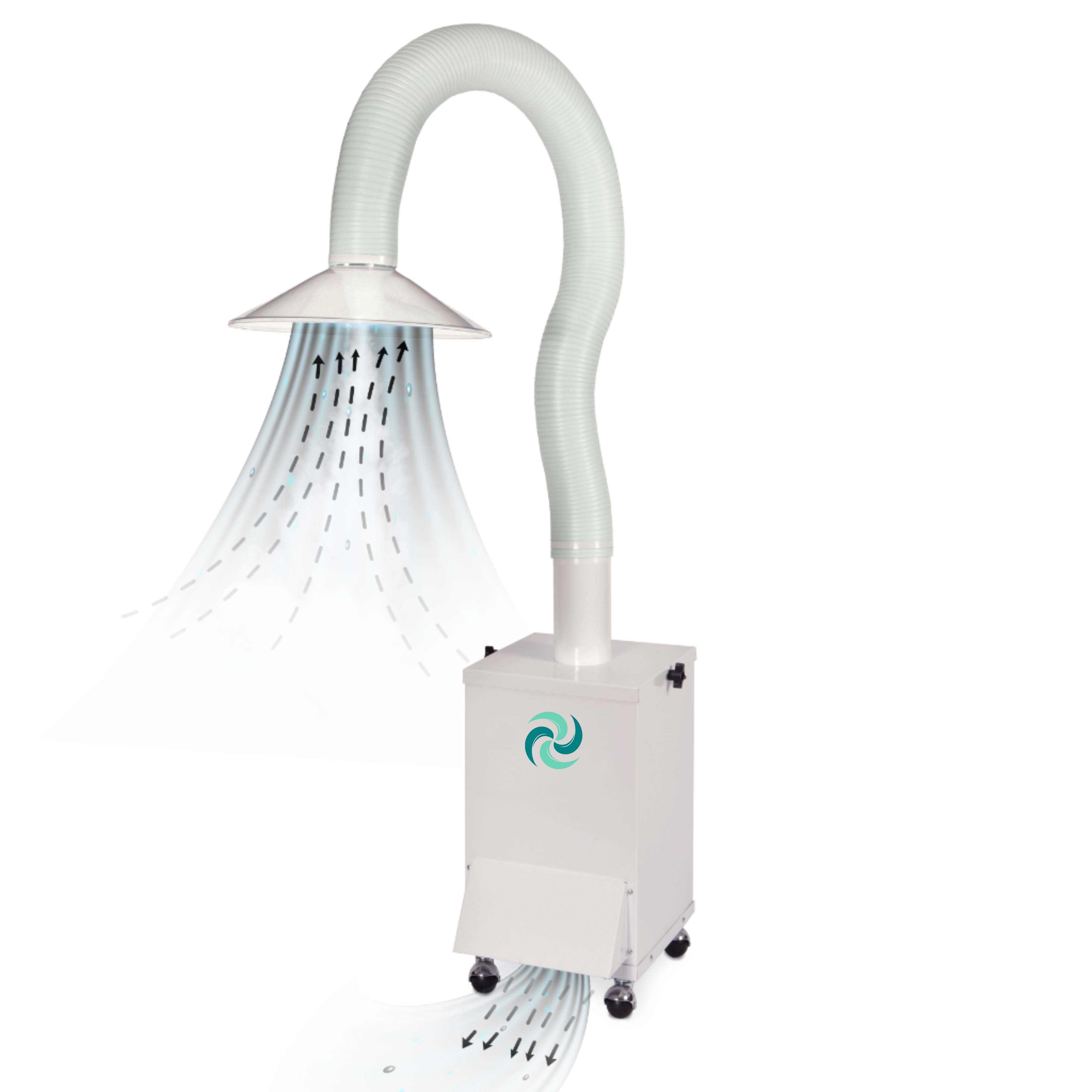
Source capture ventilation works by extracting airborne contaminants directly at the workstation, before they have a chance to spread. These systems are designed with inlets positioned close to the tattooing area, pulling in:
-
Ink mist and pigment particles
-
Disinfectant vapors
-
Alcohol and solvent fumes
-
Fine biological aerosols
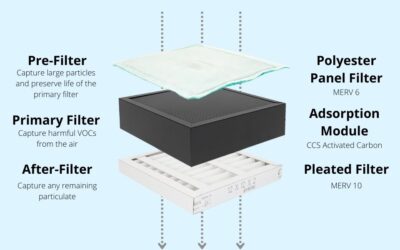
Once captured, air passes through HEPA filtration and activated carbon, effectively removing particulates and chemical odors before clean air is returned or exhausted.
Health and Safety Benefits for Artists and Clients
Installing a tattoo studio extractor system provides measurable benefits:
-
Reduced respiratory and skin irritation for artists
-
Lower cumulative chemical exposure over long workdays
-
Improved comfort for clients during sessions
-
Cleaner air throughout the studio
-
Enhanced infection control support
Over time, consistent exposure to ink aerosols and chemical disinfectants can contribute to headaches, respiratory discomfort, and fatigue. Source capture significantly reduces these risks.
Professional Standards and Studio Reputation
Today’s clients are more informed and safety-conscious than ever. A visible tattoo air purifier or source capture system demonstrates a commitment to:
-
Health-forward studio design
-
Professional operational standards
-
Long-term artist wellness
-
Modern ventilation practices
Studios that invest in proper ventilation not only protect their teams but also elevate their brand and credibility.
The Bottom Line
Tattoo studios produce a unique mix of airborne ink particles, chemical vapors, and aerosols that demand targeted ventilation solutions. Source capture systems are the most effective way to control these contaminants—protecting artists, reassuring clients, and maintaining cleaner, safer air.
General HVAC systems manage comfort. Source capture manages exposure.
For tattoo studios committed to health, safety, and professionalism, it’s no longer optional—it’s essential.